2004 clips prev 1 2 ... 15 16 17 18 19 20 21 22 23 24 ... 100 101 next


Charles Ulm in ‘Canberra Pup’ (c1928)
Charles Ulm shows his parachute to the camera and gets into the open cockpit of the Canberra Pup. He waves to the camera and moves off along the grass in preparation for take off. [read more]
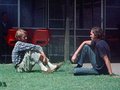
‘Cornish gets his payback’ (1974)
Inmate Darkie returns with a broken leg, after a beating from Mr Cornish (Bill Hunter). In the evening, Darkie kills Cornish with his crutch, in front of all the inmates – who show little emotion. [read more]
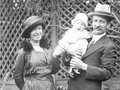
The Higgins familiy (c1909)
This clip shows Ernest Higgins with his wife Else and son Bryce, probably at their Sydney home in Darling Point around 1921. The three of them pose for the camera. [read more]
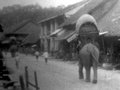
Asian village and street scenes (c1928)
This clip shows elephants carrying goods on their backs in South-East Asia; village huts by a river, filmed from onboard a boat; and street scenes in a larger city. [read more]
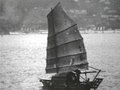
1930s port city (c1932)
This clip shows the busy port of a Chinese city in the 1930s. It includes scenes of locals living on houseboats and other boats moving through the water and passing under the city’s bridges. [read more]
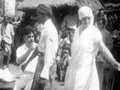
Medicine (c1930)
This clip shows Balinese men and women lining up for, and receiving, injections from a foreign medical worker. A female nurse provides assistance and keeps the line moving. [read more]
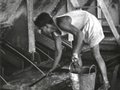
Tin mining (c1930)
This clip shows work inside a tin mining plant, including dredging buckets lifting ore from the bed of the river and local workers operating machinery to separate ore from water. [read more]
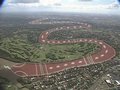
Shimmering in the sun (1994)
Aerial shots show modern day Brisbane. The voice-over narration tells us of the legacy of natural phenomena and Indigenous culture upon which the city of Brisbane is built. [read more]
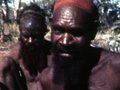
The twins (2003)
Historical footage shows the missionaries and Arrernte peoples of Hermannsburg, known as the Ntaria people. The missionaries must learn Arrernte as it is Lutheran practice to preach the gospel in the language of the people. [read more]
Napperby (2000)
Interspersed with historical footage showing Napperby, Teddy Briscoe tells us about past musters and the many Indigenous men involved in them. Teddy tells us all the areas where mustering took place. [read more]
Treating, educating (2003)
Frank Djara talks about playing for the Areyonga football team, and the competitions staged between the communities. Footage shows Frank attending the Central Australian AIDS Conference in Alice Springs in 1990. [read more]

Modern appliances (2006)
Electrolux asked design students from around the world to come up with a set of designs for household gadgets for 2020. The result is a collection on show at the Sydney Powerhouse Museum. [read more]
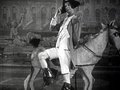
Athol Tier (c1931)
This clip shows an excerpt from a comedy routine by vaudeville performer Athol Tier dressed as Napoleon. The routine ends with a song and his exit from stage on a wooden horse. [read more]
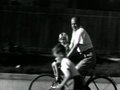
Riding bikes (c1940)
This clip shows three young children riding their bicycles with their father down a suburban street in Balwyn, Victoria. One of the girls rides on the handlebars of her father’s bike. [read more]
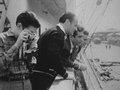
New beginnings (1953)
Shot documentary-style, this early sequence shows the film’s four young Italian male migrants (Giuseppe Michelini, Luigi Borsi, Giuseppe Cusato, Giorgio Mangiamele) on deck and disembarking from their migrant ship in Melbourne. [read more]

Memo (2002)
Joe Hill (Peter O’Brien) confronts his boss Ted Hudson (Richard Carter) over a memo he has received about ‘appearance and personal hygiene’. Then, to his surprise, his daughter Ruby (Bree Beadman) shows up at the office. [read more]

‘A fellow human being’ (2007)
A map shows the Convincing Ground site, the traditional country of the Kilcarer clan of the Gundidj-Mara peoples. Dr Ian McNiven of Monash University presents the historic context surrounding the massacre. [read more]

‘If there’s anything I can do…’ (2011)
This scene introduces Lisa (Marta Dusseldorp) during a sexual encounter with Tom (Matthew Goode) in her new kitchen. The next scene shows how they met by chance in a restaurant a little earlier. [read more]
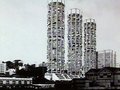
The bulldozer (1985)
This powerful sequence shows the violent clashes between the government and developers planning Sydney’s large-scale re-development and those that opposed it – the unionists, residents, conservationists and students. [read more]

Volunteers (1988)
Various media from 1942 – posters, newsreels and promotional films – show the recruiting campaign for the Women’s Land Army. In interview, Tige Hunter explains why she joined up. [read more]