Indigenous Film & Television
153 titles - sorted alphabetically or by year prev 1 2 3 next
Film and television titles written and directed by an Indigenous person.
A


Agnes Abbott: Hard Worker documentary – 2006
An Eastern Arrernte woman’s journey from mustering cattle to performing at the opening ceremony of the Sydney Olympics in 2000.
Alyawarre Country documentary – 2001
For decades there was awful conflict between pastoralists and Indigenous people; two elders share their perspective, in their language.
The Art of Healing documentary – 2005
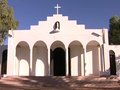
Indigenous artists have given biblical texts a unique interpretation on the walls of a church near Alice Springs.
Art + Soul documentary – 2010
Senior art curator Hetti Perkins travels across Australia to meet leading Aboriginal artists and talk about their works within an Aboriginal cultural context.
Aunty Connie documentary – 2006
Narration by Deborah Mailman reading from Connie’s life story told in her book, When You Grow Up is skillfully blended with Connie speaking to camera.
B
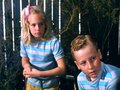
BeDevil feature film – 1993
Tracey Moffatt, who is best known as an artist, challenged Western storytelling traditions in Bedevil and polarised critics.

Beneath Clouds feature film – 2002
While the narrative devices that director Ivan Sen uses to communicate his themes are firmly located within Indigenous sensibility and cultural perspective, the subject matter is universal.
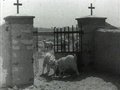
Benny and the Dreamers documentary – 1992
Freddy West Tjakamarra, a member of the Pintubi people, thought that tinned food contained human flesh.

Beyond Sorry documentary – 2003
The filmmakers get to the heart of the consequence of child removal, yet tell a story that is painfully humane, and never compromising the humanity and beauty of its subjects.

Big Girls Don’t Cry documentary – 2002
This is about Indigenous women living with renal disease, and their strength pulls at the heart strings.
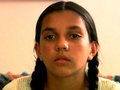
Bit of Black Business – Back Seat short film – 2007
One day seen through the eyes of 12-year-old Janine, who is meeting her biological family for the first time.
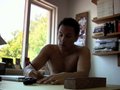
Bit of Black Business – Bloodlines short film – 2007
Josh is putting off making a difficult phone call. His procrastination is interrupted by voices from his past.
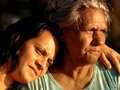
Bit of Black Business – Custard short film – 2007
A young woman’s grandfather has died. She returns to Stradbroke Island to comfort her grandmother and discover the truth about her grandfather’s death.

Bit of Black Business – Days Like These short film – 2007
Days Like These is a day in the life of Dan, a young Aboriginal man trying to get ahead – but it seems the odds are stacked against him.
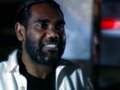
Bit of Black Business – Done Dirt Cheap short film – 2007
A tourist overhears two miners talking with Amos, a gold prospector. He buys a nugget from Amos that’s worth a lot less than he bargained for.
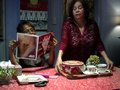
Bit of Black Business – Hush short film – 2007
Ethel’s daughter thinks her mum and Mary get together to play cards. She’s shocked to discover they’ve found an unexpected new way of supplementing their pensions.
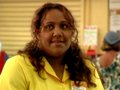
Bit of Black Business – Jackie Jackie short film – 2007
Inspired by a dream, Jackie Jackie is reminiscent of Strictly Ballroom (1992) and Tracey Moffatt’s BeDevil (1993) in its stylised kitsch.
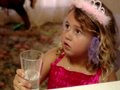
Bit of Black Business – Kwatye short film – 2007
Filmed in Alice Springs and inspired by a true story, Kwatye is a humorous lesson in being careful about what you say in front of the children.

Bit of Black Business – Nana short film – 2007
This short film from Warwick Thornton is a humorous portrait of an all-rounder told from the perspective of her adoring granddaughter.

Bit of Black Business – Sharpeye short film – 2007
An 11-year-old boy’s sharp eyes help thwart an invasion exercise by elite Special Forces soldiers in the Torres Strait.

Bit of Black Business – The Turtle short film – 2007
Jason’s mother sends him to a small coastal town to keep him out of trouble. But it takes a turtle hunt with his grandfather to bring Jason out of his shell.

Bit of Black Business – Too Late short film – 2007
Ben arrives home late to find his wife not talking to him and his son ignoring him. His pleas for forgiveness are ignored, and he uncovers a shocking truth.
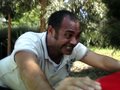
Bit of Black Business – Two Big Boys short film – 2007
When their car breaks down at a drive-through restaurant, a speed bump becomes a seemingly insurmountable obstacle for two bickering brothers.

Black and Dusty documentary – 2005
This is a film for those addicted to speed and dust. Filmmaker Warwick Thornton is one of the Indigenous participants in the 2005 Finke Desert Race from Alice Springs.
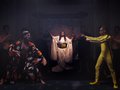
Blackbuster short film – 2012
In this comic love story a pirate-movie dealer’s daydreams seep into reality.
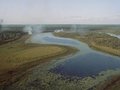
Blackout – Malangi: A Day in the Life of a Bark Painter television program – 1991
A portrait of the internationally acclaimed Arnhem Land artist David Malangi, highly regarded in both Yolngu and western cultural traditions.

Black Talk short film – 2002
Wayne Blair fits a lot into 12 minutes of drama, weaving Indigenous language through the dialogue and exploring spiritual aspects of Indigenous culture and community.
Blood Brothers – Freedom Ride documentary – 1993
This documentary about Indigenous campaigner Charlie Perkins was made by his daughter Rachel, giving it extra intimacy.
Bourke Boy short film – 2009
A father attempts to reaffirm his relationship with his adopted son as the son seeks to reconnect with his natural mother, culture and country.

Bran Nue Dae feature film – 2009
An uplifting musical about an Indigenous boy’s journey back home, Bran Nue Dae encourages the audience to relax, get on board and enjoy the ride.
Bungalung: A Dreaming of Cannibals documentary – 2007
A dramatised documentary about an ancient ghost story told by two Anmatjere elders to a group of children.

Bush Toys documentary – 2008
A group of boys from the Titjikala community maintain the desert tradition of making miniatures or ‘bush toys’ from materials found in the environment.
C
Cheeky Dog documentary – 2006
Dion is profoundly deaf and has muscular dystrophy but his love of dogs and his carer’s love have transformed him.

The Circuit – It’s a Long Way Home television program – 2007
A fresh look at the interaction between the court system and Aboriginal people living in the remote Kimberley region of Western Australia.

Cold Turkey short feature – 2002
This short feature is told in a series of flashbacks and flashforwards because the lead character suffers from blackouts.

Confessions of a Headhunter short film – 2000
Based on a short story by Archie Weller, this short drama speaks about the conflict between the Indigenous people of the Perth area and colonial culture.

Cool Drink and Culture documentary – 2006
These three young women are passionate about passing on their knowledge of bush tucker to the Amunturrngu community’s children.

Crocodile Dreaming short film – 2006
A short film highlighting the role of traditional custodians in maintaining balance between the natural and spiritual worlds.
Crook Hat and Camphoo documentary – 2005
This is an episode of the important Nganampa Anwernekenhe TV series that aims to preserve indigenous language and culture.
D

Deadly Yarns 2 – Adrift short film – 2006
In this short film a boy responds to the healing power of the natural environment, Aboriginal cultural practices and family.
Deadly Yarns 2 – Frankie’s Story short film – 2006
A young boy excluded from a school trip to the fire station brings the fire trucks to him.

Deadly Yarns 3 – Who Paintin’ Dis Wandjina? short film – 2007
When a Perth artist uses traditional iconography as graffiti, the traditional owners are not impressed.

Deadly Yarns – Don’t Say Sorry short film – 2004
In this short documentary Christine Jacobs describes how she overcame the pain of being a child of the stolen generations.
Deadly Yarns – Ganggu Mama short film – 2004
In this short film, Ganggu Mama guides his nephew towards his culture and out of trouble.
Deadly Yarns – Sugar Bag short film – 2004
A story of love and endurance about an Aboriginal child fathered by a white man and hunted down by police troopers.

Desert Tracks short film – 1997
Desert Tracks – a business established without government funding – is a community’s attempt to sustain itself culturally and an important initiative for self-determination.
The Djarn Djarns short film – 2005
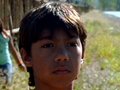
The Djarn Djarns is a comedy-drama very much suited for young people. It is a dance film with a sports feel, so culture and sport are not in competition.
Dog Dreaming documentary – 2001
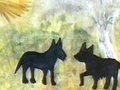
Dog Dreaming is a documentary about the journey of two ancestral dogs that became a Dreaming story.

Double Trouble – Episode 1 television program – 2007
Double Trouble is in the vein of Parent Trap, but with an Australian spin. It is an entertaining children’s program that offers insights into the lives of young people living in the Alice.

Double Trouble – Episode 4 television program – 2007
Double Trouble allows a cultural exchange to happen for the audience as well as the characters, as we follow the adventures of twin sisters who are both 'fish out of water’.