All titles in the ‘Historical’ genre
180 titles - sorted alphabetically or by year prev 1 2 3 4 next
0-9


1915 television program – 1982
The television series 1915 cleverly uses First World War historical footage and successfully moves between the action at the front and events at home in Australia.
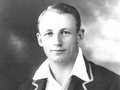

The 1930 Australian XI: Winners of the Ashes spoken word – 1930
Members of the victorious 1930 Australian cricket team talk about the Ashes winning tour.
A
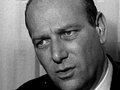
Abortion, Corruption and Cops: The Bertram Wainer Story documentary – 2005
The powerful story of Bertram Wainer’s crusade to overturn the laws against abortion in 1960s Victoria and the web of corruption he uncovered as a result.

All the Green Year – Episode 2 television program – 1980
This mini-series about growing up in the years between the world wars recalls a type of small-town society which is now fading into the past.

All the Rivers Run television program – 1983
This program won a swag of awards and has arguably been watched by more people, more often, than any other Australian mini-series of the prolific ’80s.

Australasian Gazette – Pauline Frederick, World Famous Star of Stage and Screen newsreel – c1924
In this newsreel, stage and screen actress Pauline Frederick poses for the camera. It is an early example of the fascination Australians have with American actors.

Australia in World War 1 documentary – c1980
Hubert Wilkins, official Australian war photographer, would have shot most of this footage, some of which is recreated.
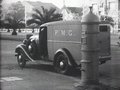
Australia Post – 200 Years sponsored film – 1988
With slogans like 'Celebrating a Nation’, the Bicentennial Authority directed emphasis towards celebrating multiculturalism rather than 200 years of white settlement.
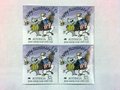
Australia Post – Joint Stamp Issue sponsored film – 1988
This program consists mainly of footage shot at the celebratory launch of the Australian–USA bicentennial stamp in Sydney’s Martin Place.

Australia Post – Letter Writing Venice advertisement – 1986
This ad was part of Australia Post’s ‘We Deliver’ campaign and produced to encourage international and intergenerational correspondence.
B

Backs to the Blast, an Australian Nuclear Story documentary – 1981
Made 25 years after nuclear tests were conducted in SA in the 1950s, this documentary stirred up a political hornet’s nest.
Belsen For Example documentary – 1985
The recollections of concentration camp survivors, now living in Australia, and rescuers, are extraordinary.
Beneath Hill 60 feature film – 2010
During the First World War, a Queensland miner learns the true cost of war when he leads Australians in a project to tunnel beneath enemy lines to plant explosives.
Billy and Percy television program – 1974
Based on the diaries of Percy Deane, private secretary of Prime Minister WM Hughes during the conscription debates of the First World War.

The Birth of White Australia feature film – 1928
This early feature depicts racial tension in NSW in 1861. Despite its offensive representation of Aboriginality, the film has cultural and historic value.
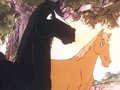
Black Beauty television program – 1978
Poignantly told from the horse’s point of view, this 1978 animated film from the classic novel tells of the heartbreaking consequences of unrestricted exploitation of animals.
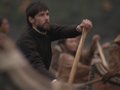
Black Robe feature film – 1991
In 17th century Canada a Jesuit missionary confronts his faith and mortality while travelling up river to reach a settlement of Huron Indians.
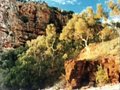
The Blainey View – Footprints television program – 1982
Geoffrey Blainey, one of Australia’s foremost and most controversial historians, later coined the term 'black armband view of history’.
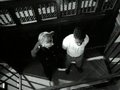
Blood Brothers – Broken English documentary – 1993
Arrernte man Max Stuart was sentenced to death in 1959 for murder but, nearly 35 years later, he talks about the case on camera.
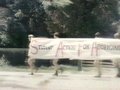
Blood Brothers – Freedom Ride documentary – 1993
This documentary about Indigenous campaigner Charlie Perkins was made by his daughter Rachel, giving it extra intimacy.
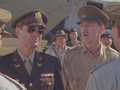
Blood Oath feature film – 1990
A fictionalised drama about the true-life struggle to successfully convict Japanese military officers responsible for war crimes in Indonesia during the Second World War.

Bodyline television program – 1984
This mini-series recreates the 1932-33 cricket test series that threatened ties between Australia and England and changed cricket forever.

The Bradman Era documentary – 1982
The documentary intercuts archival footage with former test cricketer Bill O’Reilly’s recollections of Don Bradman and notable 1930s test matches.
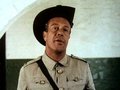
Breaker Morant feature film – 1979
Much of the film is about youth versus experience, honesty versus cynicism and political expediency – an interesting ethical domain given that it’s a film about war crimes.
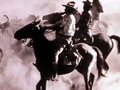
The Breaker documentary – 1973
The Breaker reveals the details of Henry 'Breaker’ Morant’s life before he went to the Boer War and was executed for murder.
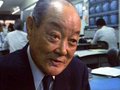
Breakout documentary – 1984
Japanese POWs were not trying to escape from their Cowra prison in 1944 so much as escape from the dishonour of capture.

Brides of Christ television program – 1991
Brides of Christ take a vow to forsake the secular world and live according to God’s will. An Australian television landmark, recapturing the great changes of the ’60s.

Bright Star feature film – 2009
A chronicle of the platonic love affair between poet John Keats and Fanny Brawne in early nineteenth century England.
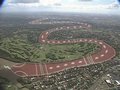
Brisbane Dreaming documentary – 1994
Historical footage and re-enactments help tell stories about the Indigenous people who were displaced by Brisbane.
Broken Sun feature film – 2008
Imagination and resourcefulness helped this small filmmaking team, lead by Brad Haynes, overcome the constraints of having only $50,000.
Burke & Wills feature film – 1985
The epic and tragic story of the first expedition to cross Australia from south to north, in 1860–61.
C
Caddie feature film – 1976
Caddie is a powerfully emotional statement of the ways in which women outside marriage were socially and economically disadvantaged in the period between the wars.
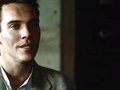
Children of the Silk Road feature film – 2007
A love story set against the backdrop of the Japanese occupation of China prior to the Second World War.
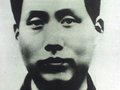
China, the Long March documentary – 1986
There is much to learn from this work about China’s Communist Party leader Mao Zedong, who died in 1976.
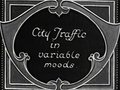
City Traffic in Variable Moods newsreel – c1920
This newsreel item is an example of how simple camera techniques can dramatically alter the appearance and mood of scenes that are filmed.
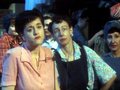
Come In Spinner television program – 1989
Lisa Harrow, Kerry Armstrong and Rebecca Gibney feature in the story of three very different women in wartime.The series won a slew of AFI awards.

Curtin television program – 2007
The Curtin telemovie is like a skilfully painted miniature: small in size and scope but, on closer examination, high on well-researched detail.

Cyclone Tracy radio – 1974
Journalist Mike Hayes describes the trauma experienced by the people of Darwin post-Cyclone Tracy, 1974.

Cyclone Tracy television program – 1986
A fictional account of one of Australia’s worst natural disasters – a major turning point in the history of Darwin.
D
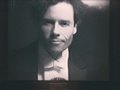
Death Defying Acts feature film – 2007
Filmmakers often tell imagined stories to explore a famous figure or incident and this love story involving Harry Houdini in 1926 is a good example.
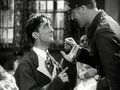
Diggers feature film – 1931
Pat Hanna first told stories from his time in World War I as part of a travelling comedy troupe, then adapted the material into film.

Dimpel, Konrad: Jennings Germans home movie – c1960
Some of the first houses built by the ‘Jennings Germans’ are still standing in O’Connor, Ainslie and Yarralumla.
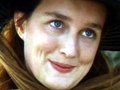
The Dirtwater Dynasty television program – 1988
In this 1980s epic production from the Kennedy Miller stable, Richard Eastwick, born in a London slum, dreams of establishing a family dynasty.
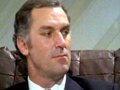
The Dismissal television program – 1983
On 11 November 1975, the Labor Prime Minister was dismissed. Great Australian drama based on actual events, produced less than a decade after they took place.
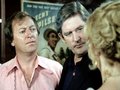
Don’s Party feature film – 1976
The off-stage bedroom scenes in the original play became on-screen sex in this film, and the male characters got naked not just drunk.

The Dream and the Dreaming documentary – 2003
When Lutheran missionaries arrived in Central Australia, the strength of the existing culture made it challenging to make converts.

Dr Plonk feature film – 2007
One of a tiny number of silent movies made since ‘the talkies’ arrived in the late 1920s, Rolf de Heer’s Dr Plonk is a high-spirited throwback to the days of pure visual slapstick.
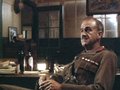
The Dunera Boys – Episode 2 television program – 1985
German Jews who had fled to Britain to escape Nazi persecution were then interned as 'enemy aliens’ in Australia and became known as the 'Dunera boys’.
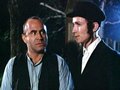
The Dunera Boys – Episode 3 television program – 1985
Just who or what is a Jew is an important theme of this series. Private Dunstan’s response shows how sheltered Australia was from the maelstrom of Europe.
E
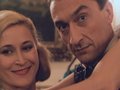
Edens Lost television program – 1988
A beautiful woman’s obsession with one man damages the lives of all around her.