All titles in the ‘Adaptation’ genre
99 titles - sorted alphabetically or by year prev 1 2 next
0-9


1915 television program – 1982
The television series 1915 cleverly uses First World War historical footage and successfully moves between the action at the front and events at home in Australia.
A

All the Green Year – Episode 2 television program – 1980
This mini-series about growing up in the years between the world wars recalls a type of small-town society which is now fading into the past.

All the Rivers Run television program – 1983
This program won a swag of awards and has arguably been watched by more people, more often, than any other Australian mini-series of the prolific ’80s.
Australian Rules feature film – 2002
This drama, with its racism theme, in turn sparked very heated debate about white filmmakers telling stories with Indigenous content.
B

Babe feature film – 1995
A worldwide hit film based on a children’s book about a farm pig who wants to be a sheepdog.
Balibo feature film – 2009
In 1975 an Australian journalist travels to East Timor in search of five Australian journalists rumoured to have been murdered by invading Indonesian forces.
Billy and Percy television program – 1974
Based on the diaries of Percy Deane, private secretary of Prime Minister WM Hughes during the conscription debates of the First World War.
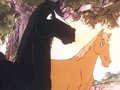
Black Beauty television program – 1978
Poignantly told from the horse’s point of view, this 1978 animated film from the classic novel tells of the heartbreaking consequences of unrestricted exploitation of animals.
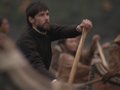
Black Robe feature film – 1991
In 17th century Canada a Jesuit missionary confronts his faith and mortality while travelling up river to reach a settlement of Huron Indians.
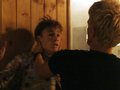
Blackrock feature film – 1996
Blackrock’s depiction of teenagers letting off steam with sex and drink and rock 'n’ roll is very dynamic because of the fluid camerawork, lively soundtrack and energetic choreography.
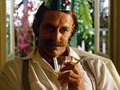
Bliss feature film – 1985
To say Bliss was ahead of its time is an understatement: the bold metaphors and sharp satire weren’t appreciated by everyone in 1985.

The Book of Revelation feature film – 2006
The Book of Revelation is based on a simple, powerful idea: most films about rape are about women as victims of men, so reversing that idea allows men to experience the trauma of violation.

The Boys are Back feature film – 2009
A successful journalist learns the true meaning of fatherhood and domestic responsibility after losing his wife to cancer.
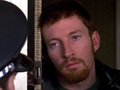
The Boys feature film – 1998
David Wenham’s performance as the absolutely terrifying Brett Sprague, launched his career as an actor of serious power and presence.
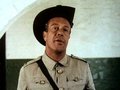
Breaker Morant feature film – 1979
Much of the film is about youth versus experience, honesty versus cynicism and political expediency – an interesting ethical domain given that it’s a film about war crimes.
The Breaking of the Drought feature film – 1920
An outback family faces ruin through drought and a son corrupted by life in the big city.
C
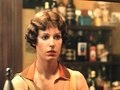
Caddie feature film – 1976
Caddie is a powerfully emotional statement of the ways in which women outside marriage were socially and economically disadvantaged in the period between the wars.

Candy feature film – 2006
Candy is a beautifully controlled film with an intense sensuality preceding an equally intense descent into grief and regret.
Careful He Might Hear You feature film – 1983
In Sydney in the 1930s, two sisters fight for custody of a six-year-old boy.
The Chant of Jimmie Blacksmith feature film – 1978
This is one of the key Australian films of the 1970s, because it speaks about the unspeakable with a depth of rage that was absolutely unprecedented and has never been repeated.

Chopper feature film – 2000
The killer who feels no remorse is a movie cliché, but Chopper is about a killer whose remorse is as strong as his desire to wound.

The Club feature film – 1980
The Club, adapted from David Williamson’s play, is set at a time when professionalism was taking over the game.

Cosi feature film – 1996
Does it matter that Cosi, about psychiatric patients staging the opera Così Fan Tutte, never quite loses its theatrical origins?
D
Dead Calm feature film – 1989
Nicole Kidman was 20 when she was cast in Dead Calm. Within a year of the film opening, she was in Hollywood – partly as a result of her performance in this film.
Dead-end Drive-in feature film – 1986
In the 1990s authorities convert a drive-in into a jail for unemployed youths. Falsely imprisoned with his girlfriend, Jimmy ‘Crabs’ Rossini attempts to escape.
Dead Heart feature film – 1996
Bryan Brown plays a second generation Northern Territory cop caught up in a power struggle over whether black or white law is supreme.
Death in Brunswick feature film – 1990
An under-achieving Aussie cook falls for a young Greek waitress at a seedy Melbourne nightclub, but a dead body gets in their way.

December Boys feature film – 2006
Daniel 'Harry Potter’ Radcliffe stars as one of four young orphans whose friendship is tested during an idyllic beach holiday.
Don’s Party feature film – 1976
The off-stage bedroom scenes in the original play became on-screen sex in this film, and the male characters got naked not just drunk.
E
Edens Lost television program – 1988
A beautiful woman’s obsession with one man damages the lives of all around her.

Emerald City feature film – 1988
Successful screenwriter Colin Rogers moves from Melbourne to Sydney and becomes involved with commercial movie hustler Mike McCord.

Evil Angels feature film – 1988
Evil Angels is a highlight of ‘80s Australian cinema but did not perform as well locally as it deserved, perhaps because it presents the dark side of the easygoing ‘g’day mate’ nation.
The Eye of the Storm feature film – 2011
The expatriate, grown children of an ill Sydney matriarch return to her bedside with more than love on their minds.
F
For the Term of His Natural Life feature film – 1927
The use of locations, particularly Port Arthur, is probably the film’s strongest asset, lending both veracity and visual impact. The other real strength of the film is its confident use of special effects.
A Fortunate Life television program – 1985
While most viewers will be aware of a strong note of irony underlying the story, there is no doubt that in the final analysis it is one of hope, endurance and faith in humanity.
The Fringe Dwellers feature film – 1986
This film has an Aboriginal ensemble cast, but a narrative based on a Western woman’s experience of an Aboriginal community.
G
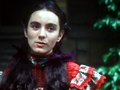
The Getting of Wisdom feature film – 1978
The affair between two school girls was only hinted at in Henry Handel Richardson’s 1910 novel, but lesbian overtones are obvious in the film.
H
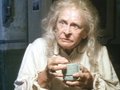
Harp in the South television program – 1986
The ‘harp in the south’ refers to Irish immigrants in Australia. A mini-series, based on Ruth Park’s book, follows the Darcys in the aftermath of the Second World War.
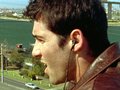
Head On feature film – 1998
In terms of iconoclastic daring, Head On has no equal in Australian cinema. It broke so many rules, offended so many polite conventions, attacked so many silences, that it left audiences stunned and gulping for air.

He Died with a Felafel in His Hand feature film – 2001
An aspiring writer moves between share households in Brisbane, Melbourne and Sydney.
I
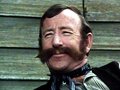
I Can Jump Puddles television program – 1981
Based on the autobiographical novel of the same name by Alan Marshall, this story of struggle and courage has become a classic Australian tale.

In the Winter Dark feature film – 1998
There have been genre films that explored this kind of rural paranoia, but not so many that take the loneliness of the bush seriously as a cause of real mental trauma.
J

Jindabyne feature film – 2006
Jindabyne is based on a 20-year-old short story by American Raymond Carver, but it’s been so well adapted to the Australian milieu that it feels home-grown.
L
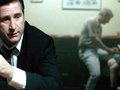
Lantana feature film – 2001
Lantana is distinctly different to most contemporary Australian films: sparser, darker and more emotionally mysterious.

The Last of the Knucklemen feature film – 1979
Near the remote town of Andamooka a group of opal miners work for Tarzan, a tough foreman known as ‘the last of the knucklemen’ for his fighting abilities.

Last Ride feature film – 2009
On the run in rural South Australia, a former convict and his 10-year-old son get to know each other for the first and last time.
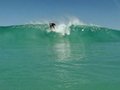
Lockie Leonard – The Human Torpedo television program – 2006
Based on Tim Winton’s novels, this series follows ‘surf rat’ Lockie Leonard who is starting high school in a new town on the WA coast.

Looking For Alibrandi feature film – 1999
There is a lot of genuine affection between the grandmother, mother, and daughter in this film but conversations are bruising too.
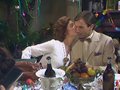
Lucinda Brayford television program – 1980
Wendy Hughes, Sam Neill, Carol Burns and Barry Quin feature in the saga of an Australian heiress who marries into British aristocracy.